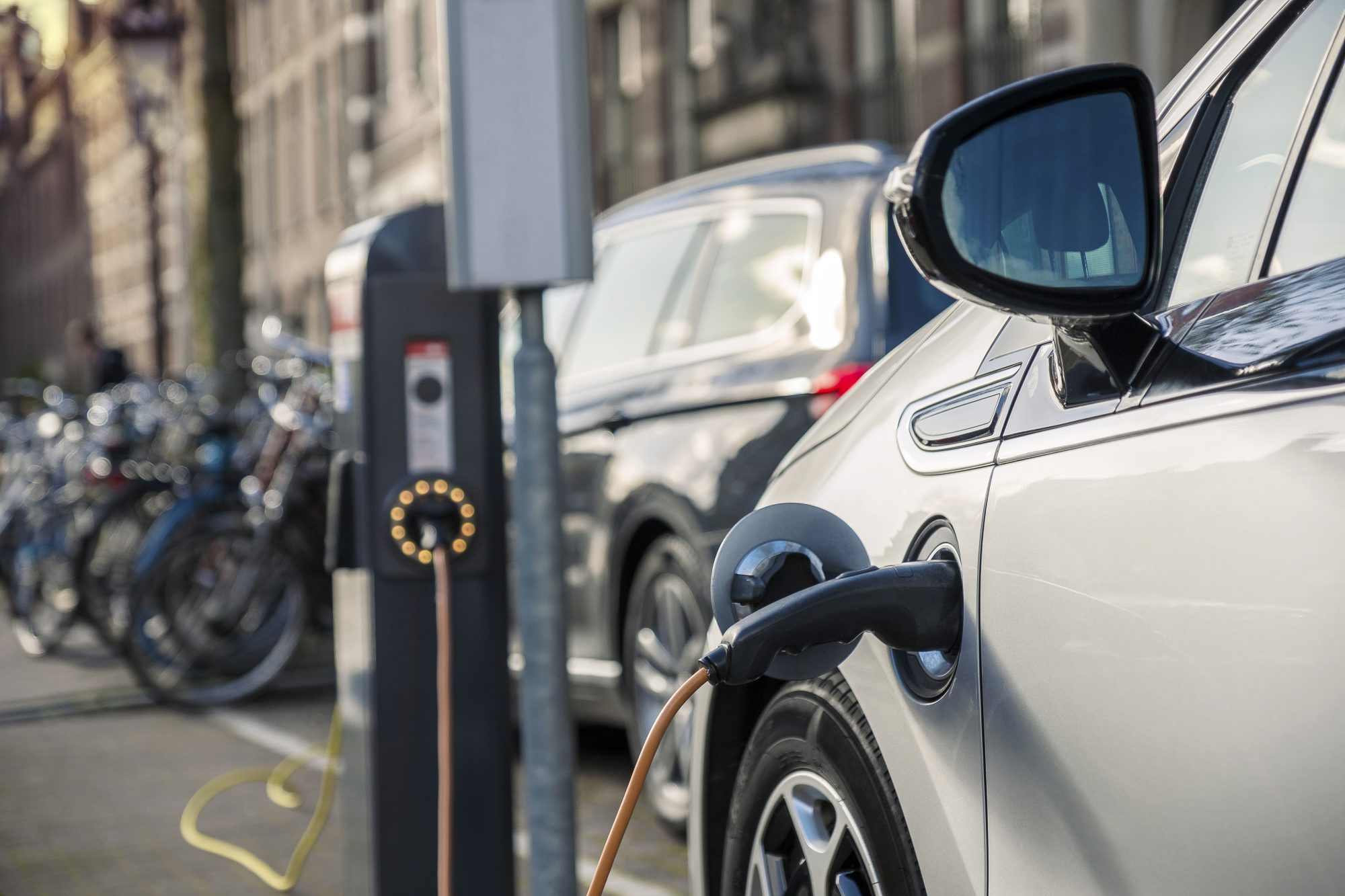
Each year, the Lead the Charge Coalition, of which Inclusive Development International is a member, publishes its annual Leaderboard Report, scoring the world’s leading electric vehicle manufacturers on their efforts to eliminate emissions, environmental harms, and human rights violations from their supply chains. The 2026 Leaderboard, released in March, found that automakers’ commitments to responsibly sourced minerals and related requirements for suppliers have increased since 2023, but still fall short of fulfilling human rights due diligence responsibilities under international frameworks.
To demonstrate for automakers what better practices can look like in the real world, Lead the Charge members have published a series of case studies, including one from Inclusive Development International focused on how car companies that source from Guinea’s largest bauxite mine, Compagnie des Bauxites de Guinée (CBG), should be engaging with and supporting communities who are at risk from the planned expansion of CBG’s mining operations—an expansion that is being driven in part by demand for aluminum for use in electric vehicles and batteries.
The study pulls from our recent report, “I Will Do Anything to Stay Here”: What a Just Energy Transition Means to Communities at Risk from Bauxite Mining in Guinea, presenting perspectives from these communities and a list of their specific requests for CBG and its buyers, including that mining should proceed only once there has been a true dialogue and affected communities have agreed to the terms on which the project can proceed. As our case study explains, companies that use CBG bauxite in their products—including the car companies Audi, BMW, Ford, GM, Mercedes-Benz, Porsche and Toyota—have a role to play supporting communities in the proposed agreement-making process. They can do this by, among other things:
- Engaging directly with CBG to express their expectation that CBG earn broad community support through agreement making for the expansion of the mine
- Providing pooled resources to enable communities to access technical and legal advisers who can support them in the agreement-making process, including through generating options for avoiding harm and designing development benefits
- Instituting material consequences if the company fails to respect its responsibilities or agreements with local communities
- Enabling or contributing to remedy if harms occur
The Lead the Charge Leaderboard report serves both as an incentive for automakers to do better, and a tool to help them assess and improve their supply chain due diligence practices. This case study, along with our Policy Proposal to Advance a Just Energy Transition for Project-Affected Communities set out what it takes in practice to ensure that at-risk communities have agency in decision making about how mining projects proceed. The six-measures in our policy proposal lay out a road map for automakers and their suppliers to fulfill their human rights due diligence responsibilities and promote a just energy transition for project-affected people, as they seek to bring renewable energy technologies to scale.
Read the case study here.