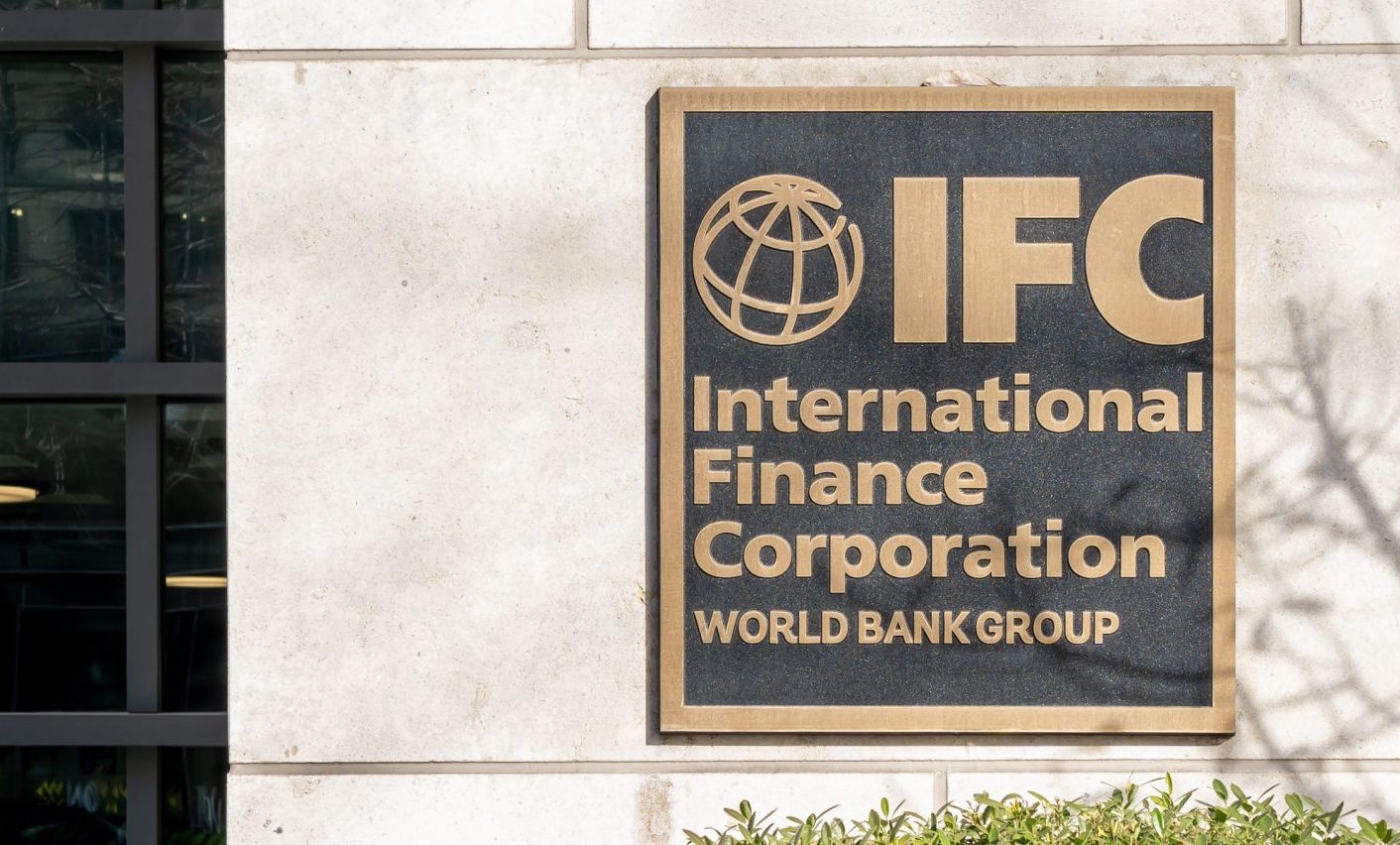
The IFC’s independent accountability mechanism, the Compliance Advisor Ombudsman, is a crucial, if imperfect, means of accessing justice for communities harmed by IFC-backed projects.
A team of consultants hired by the IFC and MIGA Boards to review key aspects of the CAO policy recently issued a draft report making some important recommendations for improving how the IFC/MIGA address and remedy harm caused by their investments.
We welcome the Boards’ decision to commission this review, and we appreciate many of the draft recommendations, including regarding increased transparency and accountability throughout complaint processes, and the importance of sending a clear and consistent message about preventing harm in the first place. Additionally, we fully endorse their recommendation that the policy be reviewed every 5 years.
But there are also suggestions that, as an organization that has accompanied numerous communities in their engagement with CAO, we believe should be avoided or treated with caution, including:
- Any codification of dispute resolution timelines. We worry that this recommendation, as written in the draft, runs the risk of promoting a complaint analysis process that overly focuses on the length of time of a given case, rather than the likelihood of successful resolution.
- Further defining what it means for a complaint to be “within scope” or what constitutes a “material link”. There is a lot at stake for affected communities if any new definitions narrow financial intermediary eligibility narrows the scope of eligible complaints.
- Any non-transparent, closed-door processes for developing any new definitions related to eligibility criteria.
Most importantly, any policy changes should be led by the CAO and go through a formal and robust public consultation process. Read more: https://www.inclusivedevelopment.net/wp-content/uploads/2026/06/May-2026-CAO-Targeted-Review-comments.pdf